A creator can deliver an excellent asset and the brand can still lose value if nobody knows where the file may run, how long it may be used, or whether it may be edited. Usage rights turn creative work into an operational asset. A content library keeps those rights visible after the campaign team moves on.
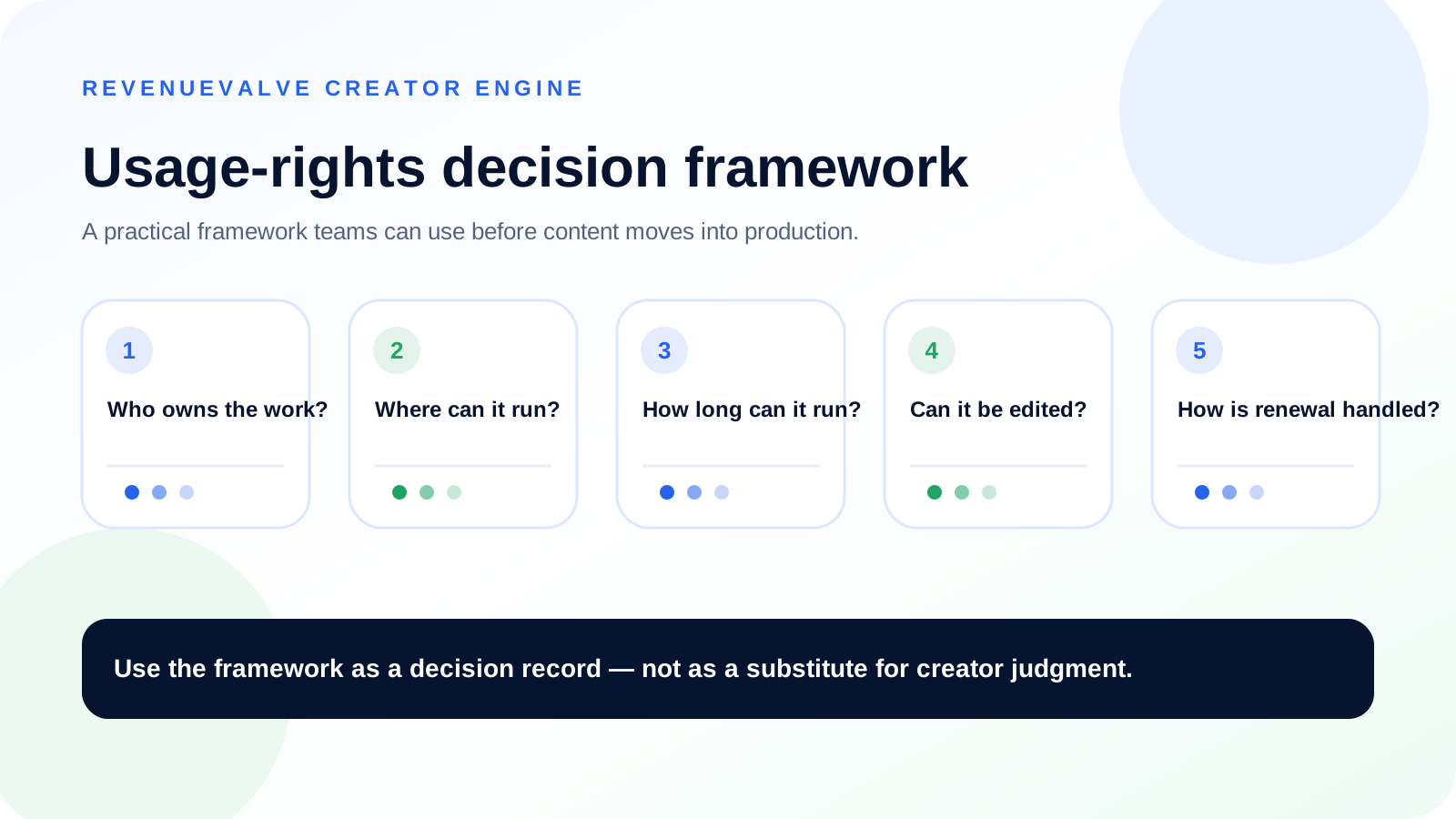
Copyright ownership and usage licenses are different
In the United States, copyright generally begins with the author of an original work, subject to rules such as works made for hire and written transfers. Paying for production does not automatically answer every ownership question. A contract can transfer ownership or grant a license with defined limits.
A license can be broad or narrow. It may allow the brand to publish a specific video on owned social accounts for six months. It may also include paid advertising, website use, email, retail, editing, and international distribution. The scope should reflect the campaign plan and compensation.
The dimensions of a creator usage agreement
Media and channels
List where the asset can appear: creator account, brand social accounts, paid social, website, ecommerce product page, email, connected television, digital display, retail screens, events, sales presentations, or other media.
Term
State the start date and length. A term may begin on delivery, first publication, campaign launch, or another event. Perpetual use should be explicit and priced accordingly. Limited terms require expiration controls.
Territory
Define the geography. “Worldwide” may be reasonable for a global digital campaign, but it should not be assumed. The creator’s category conflicts and compensation may depend on territory.
Editing rights
Identify permitted changes: cutdowns, crops, captions, translations, end cards, voiceover replacement, color correction, compositing, still-frame extraction, and combination with other footage. Material edits can change the meaning of an endorsement, so approval rights may be appropriate.
Exclusivity
Define the competing category, brands, geography, and term. “No competitors” is too vague. A creator should know whether the restriction covers an entire industry or a narrow product type.
Raw footage and project files
Raw footage expands what a brand can create. It also increases the creator’s exposure to edits they did not approve. The contract should define delivery, storage, permitted edits, and whether the creator can review new advertisements that materially change the message.
Paid media, partnership ads, and creator-handle use
Paid use is different from organic reposting. The brand may run the creator’s asset from the brand account, use a partnership-ad tool, or advertise through the creator’s identity where platforms permit it. The agreement should identify the method, term, spend limits if negotiated, approval process, and access requirements.
Platform labels and advertising permissions do not replace the contract. A creator may grant platform access but still have a limited paid-media license. The operations team should confirm both.
When the content includes paid promotion, platforms such as YouTube and TikTok require creators and brands to use their disclosure or declaration tools in relevant circumstances. The content itself must also comply with applicable laws and platform policies.
Music, stock assets, and third-party materials
The creator may have permission to post a song personally without having commercial rights for a brand advertisement. TikTok recommends its Commercial Music Library for commercial content and notes that music outside the library requires the necessary licenses.
Track licenses for music, fonts, templates, stock footage, photos, graphics, locations, and recognizable people. The brand’s usage rights cannot exceed the rights available in the underlying materials.
Build a content library that people can trust
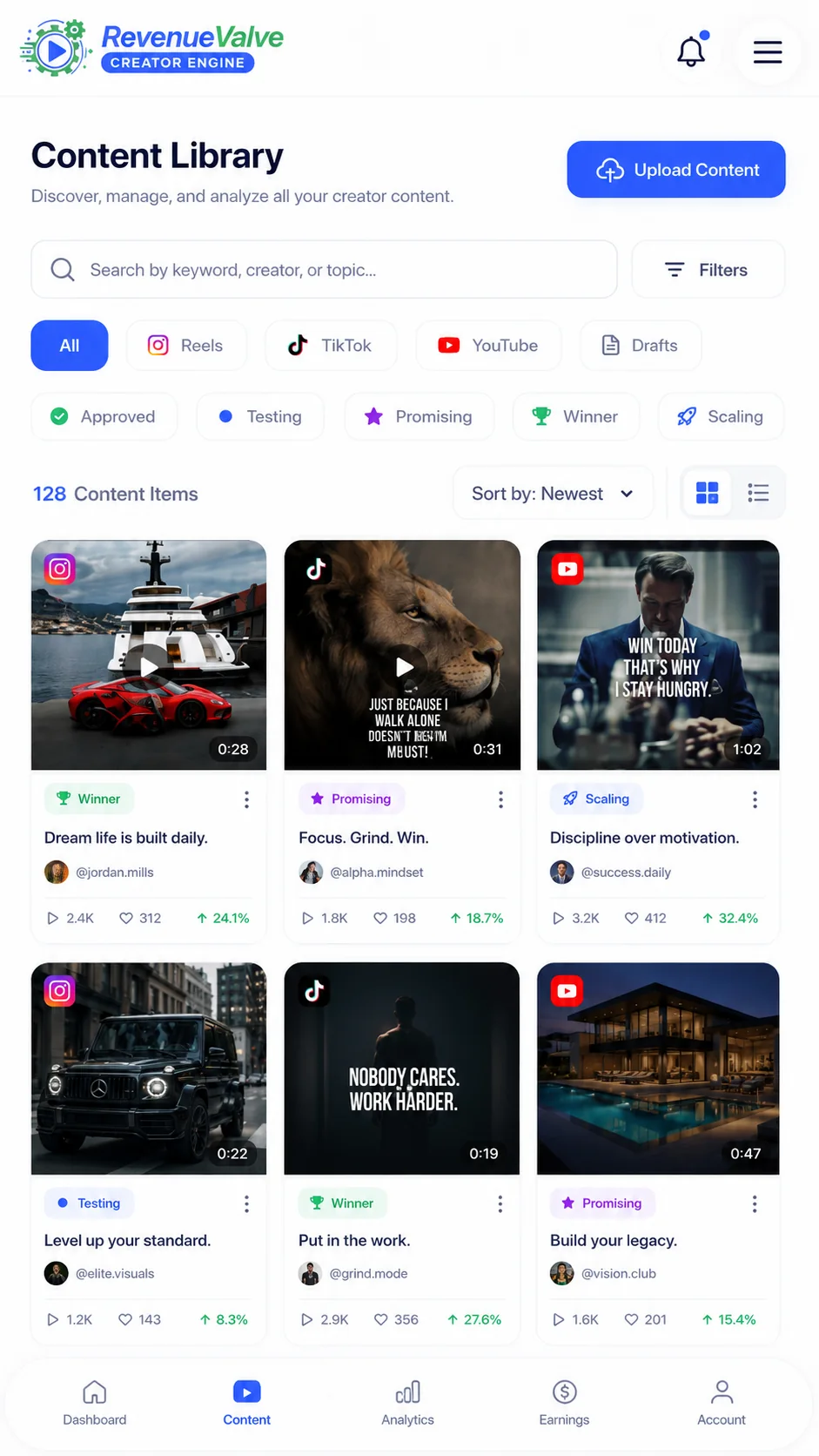
A content library should store the asset, the approval, and the rights record together. If marketers must search email threads to learn whether a video expired, the system is not complete.
Recommended metadata
- Creator name and profile
- Campaign and product
- Concept, hook, CTA, and format
- File version and approval status
- Organic and paid channels
- Start date and expiration date
- Territory
- Editing permissions
- Exclusivity
- Music and third-party asset notes
- Release and contract links
- Performance tags and reporting links
File organization
Store raw footage, project files, final exports, caption files, thumbnails, stills, and translated versions in a consistent structure. Use naming rules that identify the approved version.
Example folder structure
Campaign / Creator / Concept / Raw / Project / Review / Approved / Paid Variants / Rights
Access controls
Not everyone needs raw files, contracts, or creator contact information. Use roles and permissions. Record downloads or changes when the platform supports it. Access control protects both the creator and the brand.
Expiration and renewal should be active workflows
Set reminders before usage expires. Identify where the asset is running, whether it is still performing, and whether the campaign needs an extension, replacement, or expanded scope.
A renewal discussion should include:
- Current channels and spend
- Performance and remaining creative value
- Requested extension or new territory
- New edits or formats
- Category exclusivity
- Creator availability and current positioning
- Updated compensation
When rights expire, pause paid campaigns, remove or replace assets where required, and document the action. Do not depend on someone remembering the date.
A practical usage-rights matrix
| Use | Included? | Term | Notes |
|---|---|---|---|
| Creator organic post | Yes | Post remains live | Disclosure and edit rules apply |
| Brand organic social | Yes | 12 months | Instagram, TikTok, YouTube Shorts |
| Paid social from brand | Yes | 6 months | U.S.; approved cutdowns |
| Partnership ads | Optional | 90 days | Creator approval and platform access |
| Website and email | Yes | 12 months | No medical or unapproved claim edits |
| Retail and broadcast | No | Not licensed | Requires separate agreement |
Common rights mistakes
- Using “in perpetuity” by default without a business reason.
- Assuming organic use includes paid advertising.
- Buying raw footage without defining editing rights.
- Ignoring music and third-party asset licenses.
- Failing to track expiration across active campaigns.
- Applying a creator’s endorsement to a new claim through editing.
- Storing files without the contract or approval history.
A rights-aware content library turns creator work into a controlled, reusable resource. It also shows respect for the creator’s identity and authorship. The brand knows what it can do, the creator knows how the work will be used, and the campaign can scale without rebuilding the agreement from memory.
Sources and further reading
- U.S. Copyright Office: What Is Copyright?
- U.S. Copyright Office: Copyright ownership and transfer
- U.S. Copyright Office: Works Made for Hire
- TikTok: Commercial use of music
- YouTube: Paid promotions
This article is educational and not a substitute for legal advice about a specific agreement.