
Brand safety is not a background check completed once before a creator is hired. It is a campaign process that covers creator history, product claims, audience, rights, music, disclosure, approvals, publishing, and response planning. The process should protect the brand without turning creators into rigid spokespersons.
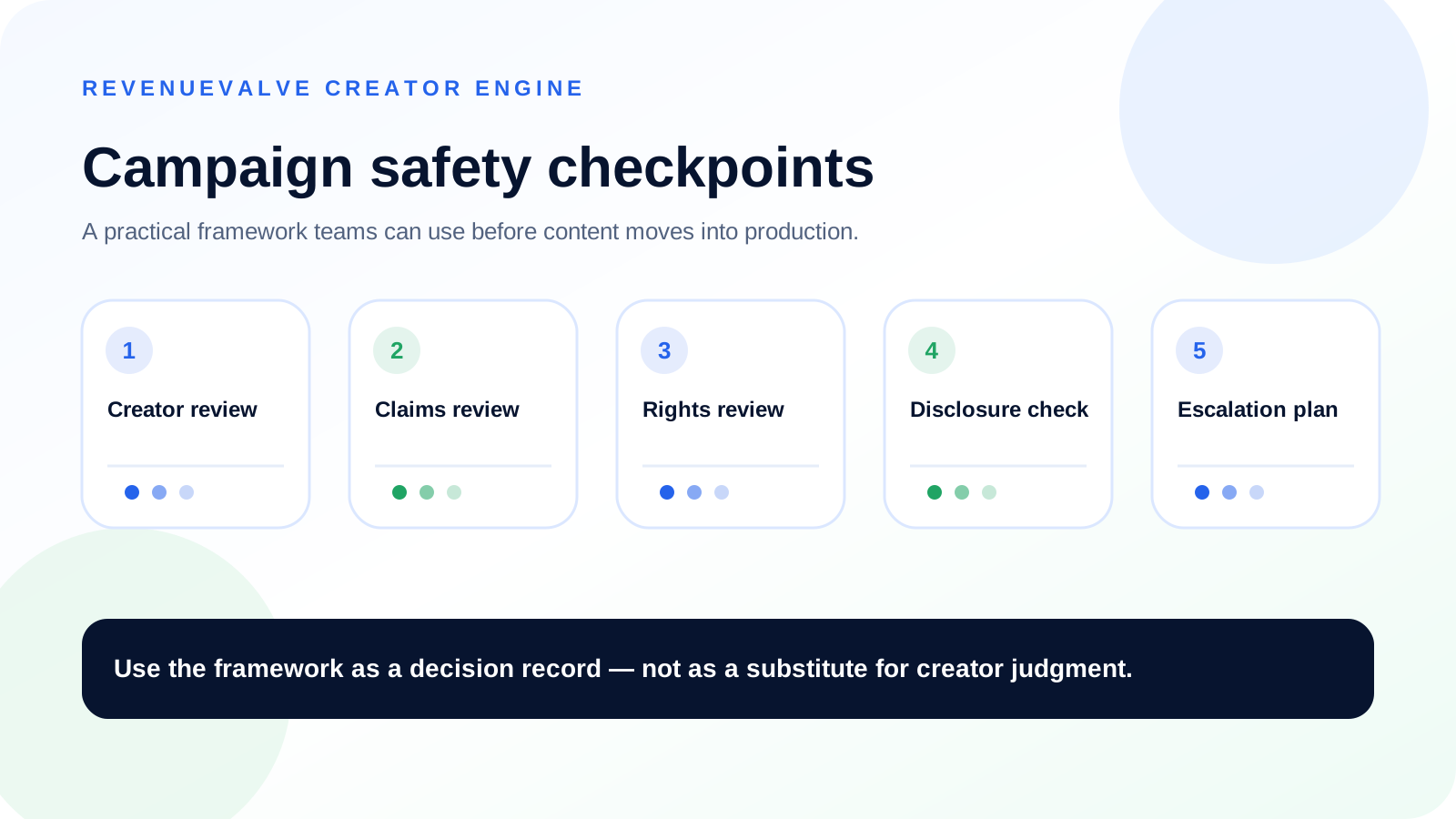
Build a campaign risk map
Start with the category and distribution plan. A local restaurant invitation has a different risk profile from a national supplement campaign used in paid advertising. Record the audience, product, claims, creator role, countries, paid-media plan, minors, locations, music, and usage term.
Classify risk by topic:
- Claims: health, performance, financial, environmental, comparative, or guaranteed outcomes
- Audience: minors, vulnerable groups, regulated professions, or sensitive identity topics
- Distribution: organic post, paid ad, partnership ad, website, retail, broadcast
- Rights: music, third-party footage, logos, locations, people, products, and editing
- Reputation: creator history, current events, prior controversies, and brand conflicts
- Operations: rush timeline, international shipping, event access, and approval complexity
The risk map determines the level of review. Low-risk content may need a standard checklist. High-risk content should involve legal, compliance, medical, financial, or category specialists as appropriate.
Review the creator with context
Review public content over a meaningful period, not only the latest grid. Look at long-form content, comments, live clips, reposts, captions, sponsored work, and how the creator handles disagreement. Search for content that conflicts with the campaign category or the brand’s documented values.
A review should distinguish between disagreement and actual risk. Brands do not need creators with no personality or opinions. They need to understand the creator’s public context and make an informed decision.
Review areas
- Identity and account authenticity
- Content consistency and audience relevance
- Prior sponsored content and disclosure habits
- Claims and product demonstrations
- Harassment, hateful conduct, threats, or repeated unsafe behavior
- Competitor relationships and category conflicts
- Use of copyrighted footage, music, and logos
- Comment moderation and community behavior
Document the date and scope of the review. Public content can change. A record helps the team explain what information was available when the decision was made.
Review the full message, not only the script
Claims can come from spoken words, captions, graphics, demonstrations, before-and-after images, editing, music, and the creator’s reaction. Review the final asset in context.
The FTC’s endorsement guidance states that endorsements must be truthful and not misleading. Creators should not describe an experience they did not have or make claims the brand could not make directly. Health-related objective claims require appropriate support.
Use an approved-claims sheet
Give creators a short document with approved facts, prohibited claims, pronunciation, required qualifiers, and the internal contact for questions. Separate product facts from personal observations. A creator can say how something felt or fit in their own routine, but the brand should not encourage that personal statement to imply a universal result.
Sensitive creative areas
Body image and personal insecurity
Avoid creative that humiliates the viewer, exaggerates flaws, or implies that acceptance depends on appearance. Meta’s health and wellness advertising policies restrict some content that exploits negative self-perception, especially around weight loss and cosmetic procedures.
Minors
Obtain appropriate permissions, minimize personal information, confirm platform and legal requirements, and avoid production situations that place pressure on a child. Usage scope should be explained clearly to the parent or guardian.
Finance and health
Do not rely on a creator disclosure to fix an unsupported claim. Disclosure explains the relationship; it does not make a misleading statement acceptable.
Confirm rights, music, and disclosure
Music and third-party assets
Confirm commercial rights for music, stock footage, photos, fonts, graphics, and templates. TikTok recommends using its Commercial Music Library for commercial content because music available in the general library may not be licensed for brand promotion.
People and locations
Review recognizable people, private property, artwork, screens, packaging, uniforms, and background logos. A creator filming at home may accidentally reveal addresses, children, account information, or confidential work materials.
Disclosure
Provide platform-specific instructions and plain-language disclosure. The FTC explains that material connections include money, free or discounted products, employment, family, and other relationships that may affect how viewers evaluate the endorsement. Do not assume an audience already knows.
Usage
Record approved channels, paid-media rights, term, territory, edits, partnership ads, exclusivity, and expiration. Safety review should be repeated when an asset is edited into a new message or moved into a different medium.
Design an approval system that can move quickly
Use one consolidated feedback owner. Separate creative preference from required correction. Mark comments as factual, legal, brand, platform, or optional. Give the creator enough time to respond and ask questions.
| Review stage | Primary question |
|---|---|
| Concept | Is the assignment safe, accurate, and on strategy? |
| Rough cut | Does the complete message communicate approved claims? |
| Final | Are disclosures, captions, links, rights, and exports correct? |
| Publication | Did the correct version publish with the required platform settings? |
| Paid adaptation | Did edits change the claim, context, or usage scope? |
Monitor the campaign and prepare a response plan
Monitor comments, creator messages, platform notices, and campaign performance after launch. Audience questions may reveal a confusing claim or missing context. Respond with accurate information and document changes.
An incident plan should identify the decision team, creator contact, evidence collection, pause authority, response channels, and approval process. Do not begin by publicly blaming the creator. Establish what happened, preserve records, and correct the issue proportionately.
Possible responses
- Clarify in comments or caption
- Edit or replace the asset where possible
- Pause paid distribution
- Remove the content
- Publish a correction
- Notify affected partners or platforms
- Review the process and update the brief
Creator campaign brand-safety checklist
- Campaign risk level documented
- Creator public-content review completed and dated
- Audience and category fit confirmed
- Approved and prohibited claims provided
- Product evidence owner identified
- Music and third-party rights confirmed
- People, locations, and privacy reviewed
- Usage rights and expiration recorded
- Disclosure wording and platform tools confirmed
- One approval owner assigned
- Final published version verified
- Monitoring and incident plan documented
Brand safety works best as a professional operating system. It gives creators clear boundaries, gives brands an accountable review path, and allows good creative to move without unnecessary fear or last-minute confusion.
Sources and further reading
- FTC: Advertisement Endorsements
- FTC: Health Products Compliance Guidance
- Meta Advertising Standards
- TikTok: Commercial use of music
- YouTube: Paid promotions
This checklist is general information and should be adapted with qualified legal and category review.