A brand-ready portfolio helps a marketer answer three questions quickly: What can this creator make? Who is the work for? Can the creator deliver professionally? A strong portfolio is not a scrapbook of favorite posts. It is a sales and decision tool built around evidence.
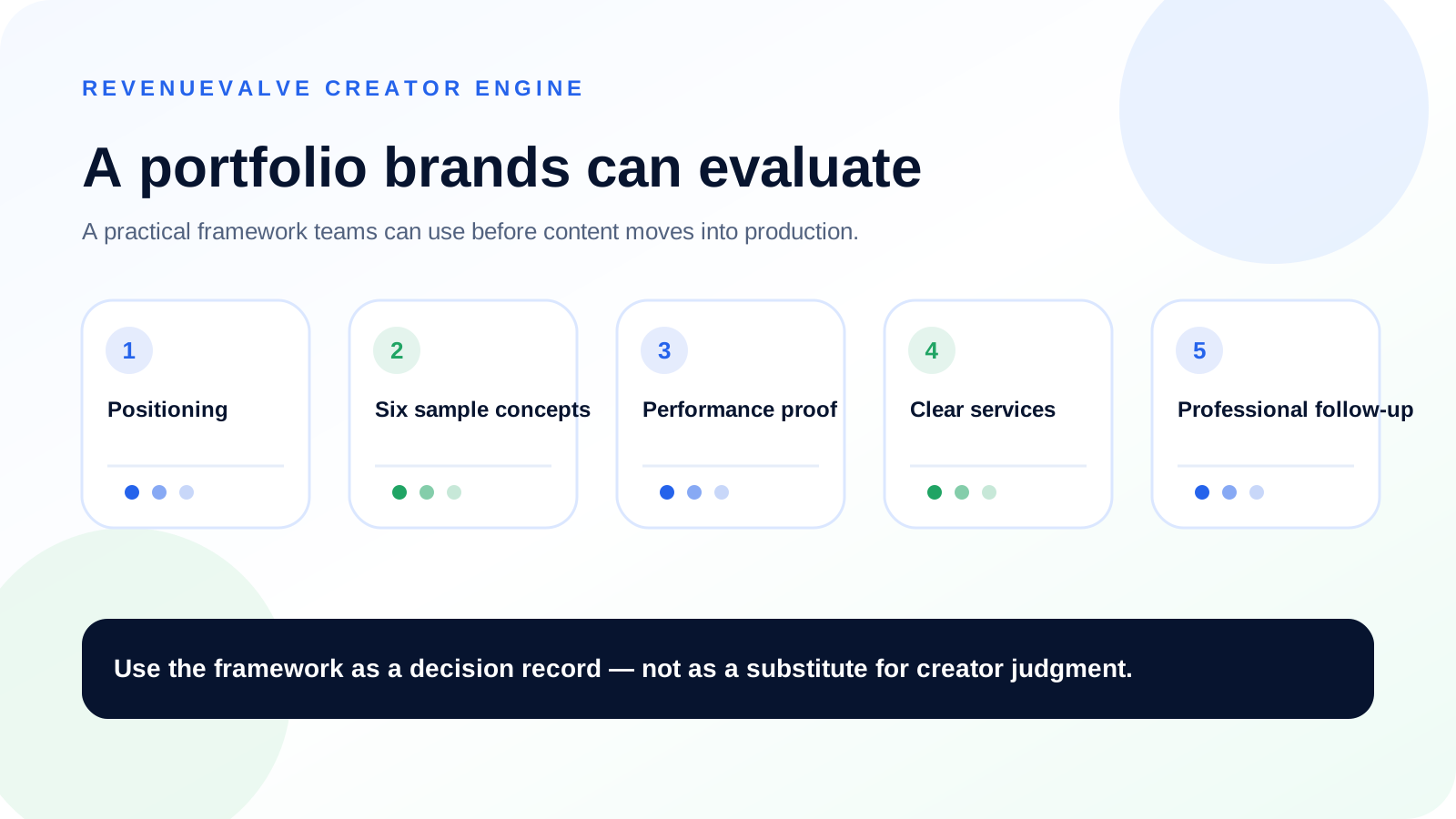
Write a positioning statement a brand can use
A niche label is not enough. “Lifestyle creator” could describe thousands of people. Positioning should identify the audience, content strength, commercial categories, and distinctive point of view.
The statement gives brands multiple reasons to remember the creator. It also guides sample creation. A creator who claims to be strong at demonstrations should have demonstrations in the portfolio.
Build six samples that show range without confusion
1. Direct-to-camera testimonial
Show clear speaking, natural product language, and the ability to communicate a personal experience without exaggeration.
2. Problem-and-solution demonstration
Use visual proof. The audience should understand the problem before the product appears and see how the product changes the routine.
3. Tutorial or walkthrough
Teach a process in a way viewers can follow. Tutorials demonstrate structure, pacing, and subject knowledge.
4. Voiceover lifestyle sequence
Show composition, b-roll, storytelling, and audio quality. Provide a version with clean footage if the portfolio is intended for paid UGC work.
5. Objection-handling concept
Address a real hesitation: cost, time, complexity, fit, taste, durability, or learning curve. This proves the creator can communicate closer to a buying decision.
6. Platform-native trend adaptation
Use a current format without making the portfolio dependent on one trend. The concept should still communicate a product truth after the sound or meme fades.
Samples can use products the creator already owns, but they should be labeled accurately. Do not imply a paid relationship or client result when none exists. A spec sample demonstrates capability; it is not a case study.
Make the portfolio easy to review
Lead with the strongest three assets. Use clear thumbnails, short labels, and fast-loading video. Include the creator’s role for each piece: concept, filming, editing, script, voiceover, photography, or on-camera talent.
A brand manager should not need to open ten social apps to evaluate the creator. A simple profile page can include embedded videos, downloadable examples, audience highlights, location, contact process, and collaboration types.
Show performance proof with context
Screenshots without explanation are difficult to evaluate. Add the platform, date range, content type, distribution type, and metric definition. If an asset received paid support, label it. If a video is an outlier, show typical performance too.
- Typical views for the last ten comparable posts
- Average watch time or retention where available
- Shares, saves, and substantive comments
- Audience geography and age ranges where authorized
- Link clicks, sales, leads, or code use when tracked
- Production turnaround and number of delivered assets
Google’s people-first content guidance asks whether content provides substantial, complete, original value. That principle also applies to a creator portfolio. Explain what the creator learned and contributed instead of filling the page with vague claims.
Define collaboration types, deliverables, and rights
List the work the creator is prepared to do. Useful categories include UGC production, sponsored posts, product seeding, event coverage, affiliate campaigns, long-term ambassadorships, live content, photography, raw footage, voiceover, and content licensing.
A public portfolio does not need to publish every rate. It should explain what affects scope: number of concepts, complexity, travel, posting, usage term, paid media, exclusivity, raw footage, revisions, and turnaround.
Creators should understand the difference between producing content and licensing it. The U.S. Copyright Office explains that copyright ownership and transfers are legal concepts with specific requirements. A creation fee does not automatically answer how long a brand can advertise the work or whether the brand can edit it.
Build a one-page media kit that supports the portfolio
- Name, location, contact or management route
- One-sentence positioning
- Primary platforms and verified links
- Audience summary with source and date
- Content categories and collaboration types
- Three strong work examples
- Selected results with context
- Past partners, if permission allows
- Professional headshot and visual identity
The media kit should lead to the full portfolio rather than trying to contain every detail. Keep the file current and name it with the creator’s name and year.
Write case studies that brands can believe
A simple case study uses five parts: objective, audience, creator approach, deliverables, and results. Include the creator’s creative contribution. “Posted one Reel” says very little. “Developed a three-part routine series using two hook variations and a comment-led follow-up” explains the work.
Results should be attributed carefully. If the creator knows views and clicks but not sales, do not claim revenue. If a brand supplies a result, identify the source and obtain permission before publishing confidential information.
| Weak case study | Useful case study |
|---|---|
| “The video went viral.” | “The 28-second demonstration reached 310,000 viewers organically, held 42% through the final product reveal, and generated 1,900 saves in 14 days.” |
| “The client loved it.” | “The brand approved the first cut with one factual revision and licensed three paid-media variations for six months.” |
Professional details that increase confidence
Use a dedicated business email, reliable file delivery, written timelines, and clear invoice information. Reply with enough detail to move the conversation forward. When a brand asks for availability, include dates, location, scope questions, and any conflict that affects delivery.
Disclose paid partnerships clearly when content is published. YouTube, TikTok, and other platforms offer commercial-content tools, but creators and brands remain responsible for following applicable disclosure rules.
A 30-day portfolio build plan
- Days 1–3: Define positioning, target categories, and collaboration types.
- Days 4–10: Plan and film six sample concepts.
- Days 11–15: Edit multiple hooks, captions, covers, and clean versions.
- Days 16–19: Organize analytics, screenshots, and case-study evidence.
- Days 20–23: Build the profile page and one-page media kit.
- Days 24–26: Ask two experienced marketers or creators to review it.
- Days 27–30: Correct weak areas and begin targeted outreach.
A portfolio should evolve with the creator. Remove old work that no longer represents the standard. Add new case studies, stronger categories, and better proof. The goal is not to look busy. The goal is to make the creator easy to understand, evaluate, and hire.